Built with SODAX

























Bound
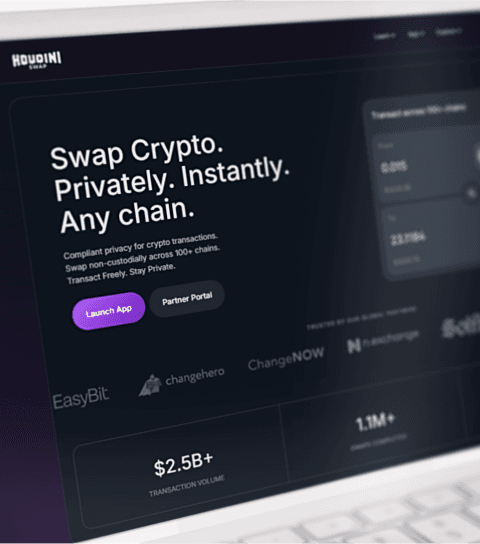
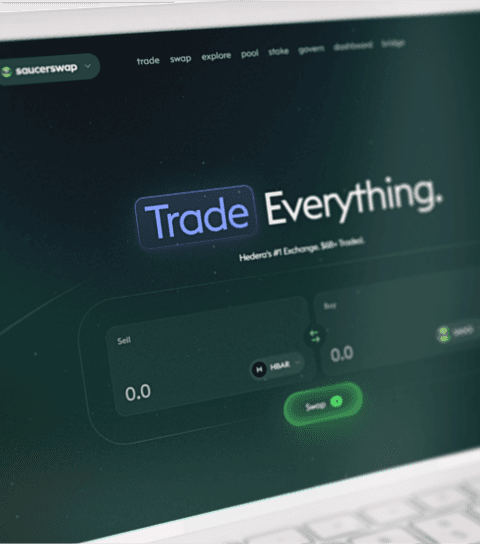
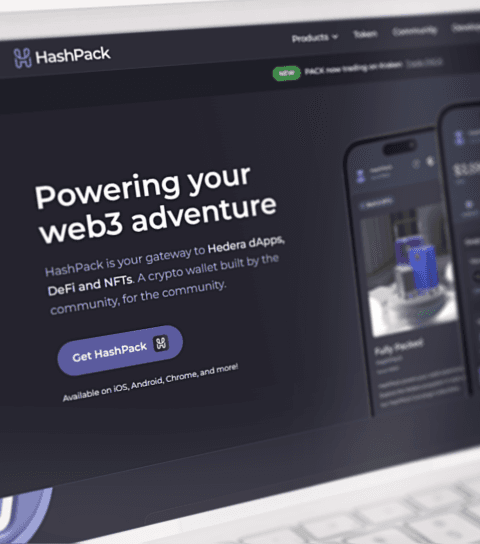
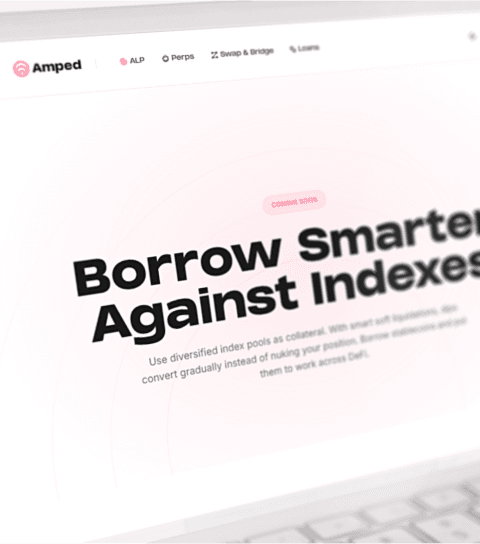
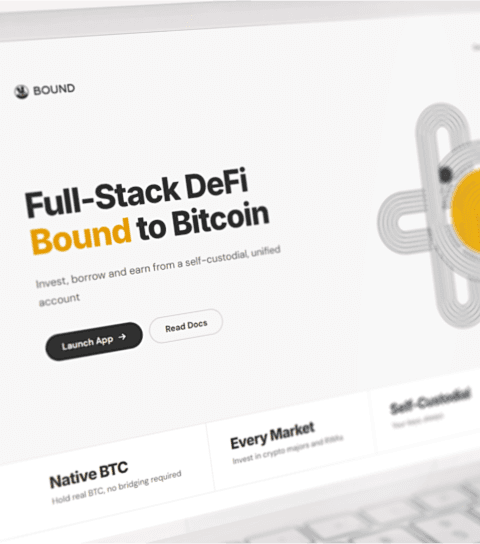
For Bitcoin-native applications that want to give BTC holders trading and money-market lending across 18+ networks, self-custodied from entry to settlement, with no wrapping and no centralized exchange in the middle.
CheomaYield
At a glance
- Accept USDC or other stables from any of 22+ networks
- Settles into the Sonic pre-deposit contract
- SODAX Integrated within 24 hours
- bnUSD accepted
For yield vaults that want depositors to fund from any chain, routing stablecoins into a single settlement contract without manual bridging.
About CheomaYield
CheomaYield is a fixed-APY yield protocol. Users deposit stablecoins into tokenized vaults and earn a fixed annual yield, backed primarily by Gulf sovereign and corporate sukuk bonds.
Its Sonic Pre-Deposit accepts USDC and bnUSD at a 1:1 credit, issuing a transferable chSonic receipt for integration partners who want to surface high fixed APRs.
The Challenge
A vault that settles on Sonic faces a funding barrier for everyone who is not already there:
1. Depositors hold stables across many chains. The pre-deposit contract lives on Sonic, but capital rarely originates there.
2. Manual bridging adds drop-off. Getting stablecoins onto Sonic before depositing is friction that costs conversions.
3. Cross-chain routing is infrastructure to build. Accepting any stable from any chain and settling it into one contract is real engineering to own.
The Solution
CheomaYield uses SODAX to accept stablecoins from any chain and settle them into its Sonic pre-deposit contract, with bnUSD supported as a native cross-chain stablecoin. The integration is built around these capabilities:
Deposit Stables from Any of the 22+ Networks
A cross-chain deposit page accepts USDC or other stablecoins from any of the 22+ supported chains, so depositors are not limited to holding funds on Sonic.
Settles into the Sonic Pre-Deposit Contract
Incoming stablecoins are routed through SODAX and settled directly into CheomaYield's Sonic network pre-deposit contract, turning a multi-step bridge-and-deposit into one flow.
bnUSD for Hot Wallet Availability
bnUSD acceptance is used for hot wallet availability, putting capital that would otherwise sit partly idle to work while keeping it ready.
bnUSD for Yield Engine Strategies
When deposit volume warrants, bnUSD can also feed the yield engine's strategies, giving CheomaYield another productive route for cross-chain liquidity.
The Results
1. Cross-Chain Deposits from Day One
Depositors can fund the Sonic pre-deposit from any of 22 chains, removing the bridge step that would otherwise sit before a deposit.
2. A Wider Depositor Base
By accepting stables from any chain, CheomaYield opens the vault to capital that the Sonic-only requirement would previously have blocked.
3. Productive Use of Idle Liquidity
With bnUSD supporting hot wallet availability and yield engine strategies, cross-chain liquidity stays productive rather than sitting idle.
SODAX Integration
Foundation Layer
@sodax/sdk
Routes stablecoins into the Sonic pre-deposit contract, with bnUSD as a native cross-chain stablecoin.
CheomaYield accepts USDC or other stablecoins from any of the 22 supported chains and settles them into the Sonic network pre-deposit contract. bnUSD acceptance is used for hot wallet availability, where capital would otherwise be partly idle, and for the yield engine's strategies when deposit volume for that route is high.
Feedback
"The cross-chain deposit feature was the main reason we chose SODAX. Our original plan was to deploy vaults on each relevant chain, but a single central deposit vault fed by 20+ chains turned out to be a far better option for us, especially at such a negligible fee."
Founder