Built with SODAX




















Bound
For Bitcoin-native applications that want to give BTC holders trading and money-market lending across 18+ networks, self-custodied from entry to settlement, with no wrapping and no centralized exchange in the middle.
Lend
At a glance
- Buy real estate bonds from any asset
- Cross-network deposits settled in USDC
For RWA platforms that want investors to buy real estate bonds from any asset on any integrated network, with deposits settled in USDC in a single flow.
About Lend
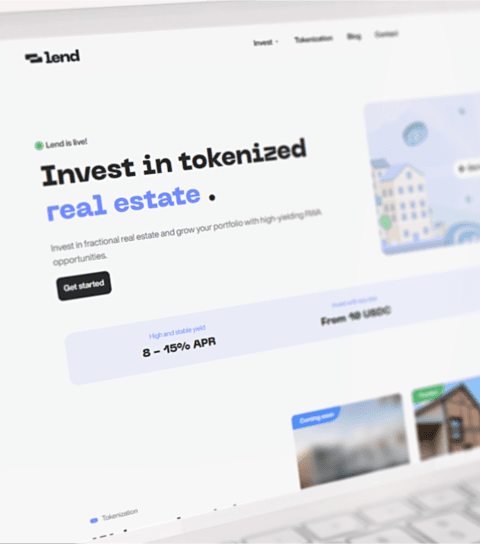
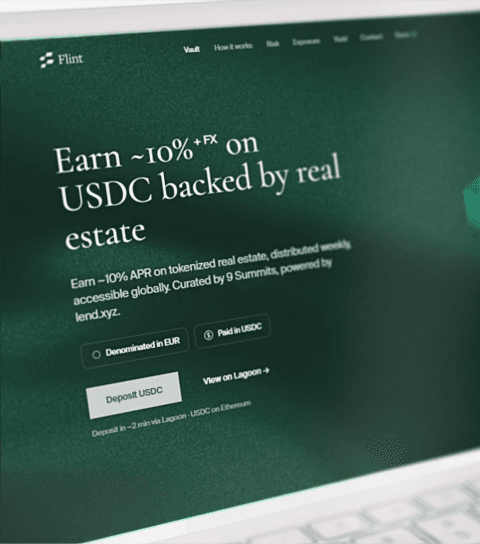
Lend.xyz is a real-world asset platform that opens real estate development financing to anyone with a crypto wallet. Each project issues bonds through a dedicated SPV under French law, with entry from 10 USDC.
Bonds are sold on the primary market and paid in USDC, with interest accruing until the property is sold. Each operation is insured, and every project shows the developer's track record.
The Challenge
Lend's bonds are priced and paid in USDC, but most investors don't hold USDC on the network they want to buy from.
1. Capital sits on the wrong network. Investors hold ETH, SOL, BTC, or stablecoins elsewhere, not USDC on the network Lend settles on.
2. Manual conversion adds steps. Buyers had to convert and move funds by hand, through a separate app, a wait, and a return trip to Lend.
3. Every extra step drops buyers off. Each handoff adds fees, waiting time, and room for mistakes before the purchase even starts.
The Solution
Lend integrated SODAX through its API and a custom hook contract, so buyers can purchase bonds from the asset they already hold, on the network they hold it on.
Buy Bonds from Any Asset
Buyers pick the asset they hold and the bond they want. SODAX takes that asset from any supported network and routes it into USDC for the bond purchase in a single flow.
Universal Deposits, One Flow
Lend accepts assets from across the networks SODAX supports, so none of the cross-network plumbing appears in Lend's interface.
Custom Hook Contract
Lend's custom hook contract completes the bond purchase once SODAX has routed the funds, keeping the purchase logic on Lend's side.
Lend Keeps Its Checkout
Lend keeps its own product, checkout, and relationship with its users while fronting universal deposits.
The Results
1. Broader Investor Reach
Lend can now sell bonds to anyone holding a supported asset, not only to investors who already hold USDC on the right network.
2. Faster Path to Purchase
Buyers skip the separate conversion and bridging steps and go from wallet to bond purchase in one flow.
3. Built at Developer Sessions
The integration came together at the SODAX Developer Sessions
SODAX Integration
HTTP API Layer
SODAX Swap API
Routes any supported asset into USDC for the bond purchase, across Lend's supported networks.
Custom hook contract Layer
Lend hook contract
Completes the bond purchase on Lend's side once SODAX has routed the funds.
Lend integrated SODAX through its API and a custom hook contract. SODAX routes any supported asset into USDC, and Lend's hook contract completes the bond purchase in the same flow. CONFIRM the exact hook contract behavior with Lend before publishing.
Feedback
"As a yield platform, our core mission is sourcing liquidity. Restricting deposits to a single asset was a major UX issue: a large share of our users’ liquidity sat on other chains and assets we couldn’t reach. Integrating the SODAX Swap API was a massive unlock. Beyond accessing that liquidity, we wrapped bridging, swapping and investing into a single transaction for the end user. We strongly recommend it to any web3 builder looking to expand their reach"
Founder