Built with SODAX























Bound
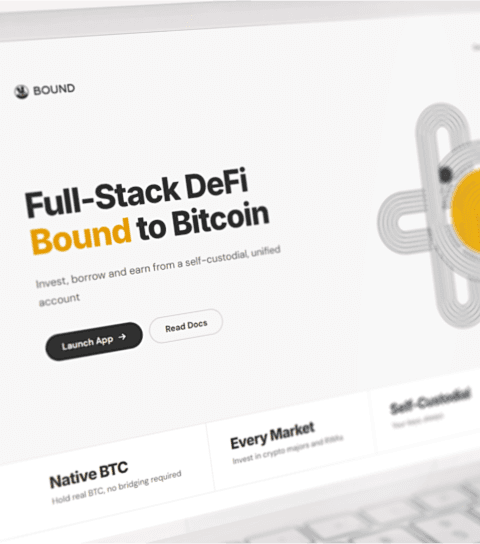
For Bitcoin-native applications that want to give BTC holders trading and money-market lending across 18+ networks, self-custodied from entry to settlement, with no wrapping and no centralized exchange in the middle.
Peridot Finance
At a glance
- Deposit from any SODAX integrated chain into Stellar markets
- Withdraw back to the source chain
- One flow, no manual bridging
For lending protocols on non-EVM chains that want users to deposit from any supported network, with funds flowing cross-chain into a single market in one step.
About Peridot Finance
Peridot is the first DeFi broker. A non-custodial lending and borrowing protocol built on Stellar where users earn interest on their crypto assets and borrow against their collateral.
Markets run on Stellar, but users hold assets on Ethereum, Base, Arbitrum, BSC, Polygon, Avalanche, and more. Audited contracts, open-source code, and $P token governance keep funds in users' hands.
The Challenge
Peridot's lending markets live on Stellar, but the liquidity its users want to deploy is scattered across other chains.
1. Stellar liquidity is isolated. Even though Peridot's markets are there, most of the capital users want to move sits on EVM and other networks
2. Manual bridging adds friction. Asking users to bridge, then deposit involves multiple apps and steps, killing the user experience.
3. Cross-chain execution to non-EVM chains is hard. Most infrastructure treats Stellar as an edge case, not a native destination.
The Solution
Peridot is integrating SODAX through the Swaps API so users can deposit into Stellar markets straight from the assets they already hold on other chains. The deposit and withdrawal both happen in one flow, with no manual bridging.
Deposit from Any Integrated Chain into Stellar
A user picks what to deposit and where it should come from, and SODAX handles the cross-chain move into the Stellar market. They just pick and go, with no bridge UI.
Withdraw to Source Chain in One Flow
Users can also withdraw back to the chain they came from in the same single flow, closing the loop without leaving Peridot's interface.
Wallet-Native Signing
The SODAX Swaps API builds the source-chain transaction (EVM calldata or Soroban XDR), so signing stays with the wallets users already have: Privy embedded wallets, EVM injected wallets, or Freighter on Stellar.
Circle CCTP Plus SODAX
For USDC from CCTP-supported chains, Peridot uses Circle's CCTP. For everything else (USDT, BSC, Stellar as source), SODAX covers it, giving full cross-chain reach without needing multiple integrations.
The Results
1. Cross-Chain Stellar Deposits
Users can now fund Stellar lending markets from any supported network without leaving Peridot's interface or using a separate bridge.
2. No Stack Overhead
SODAX's API lets Peridot integrate without shipping every chain's wallet logic, so users sign with the wallets they already have.
3. Stellar as a First-Class Chain
By treating Stellar equally in both deposit and withdrawal directions, SODAX opens Stellar's yields to capital everywhere.
SODAX Integration
HTTP API Layer
api.sodax.com/v1/swaps
Builds source-chain transactions and routes deposits into Stellar markets, with signing kept non-custodial.
Feedback
""Our lending markets live on Stellar, but our users' money lives everywhere. We looked for a cross-chain layer that treats Stellar as a real first-class chain, in both directions, and SODAX was the one that did. Its intent-based API let us turn bridge, swap, then deposit into a single step. It fit into the wallets our users already have without us rebuilding our stack. That's what lets us offer Stellar yields to anyone, whatever chain they're on today."
Founder, Peridot Finance
Want results like Peridot Finance ?
Speak directly with the team, or get your API key.