Built with SODAX

























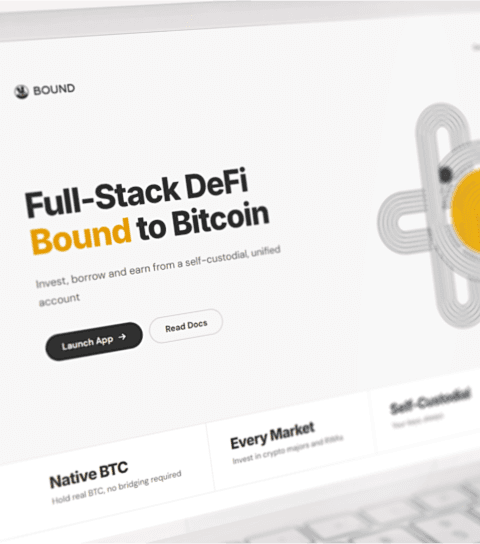

Bound
For Bitcoin-native applications that want to give BTC holders trading and money-market lending across 18+ networks, self-custodied from entry to settlement, with no wrapping and no centralized exchange in the middle.
SilkSuite
At a glance
- Self-custody cross-chain, no bridge and wait
- No bridges built, funds never held by SilkSuite
- 120 Hedera assets reachable cross-chain
- SODAX money market powers 'Earn'
For Hedera-native protocols that want to take their liquidity cross-chain in one self-custody flow, with no bridges to build and no custody to hold.
About SilkSuite
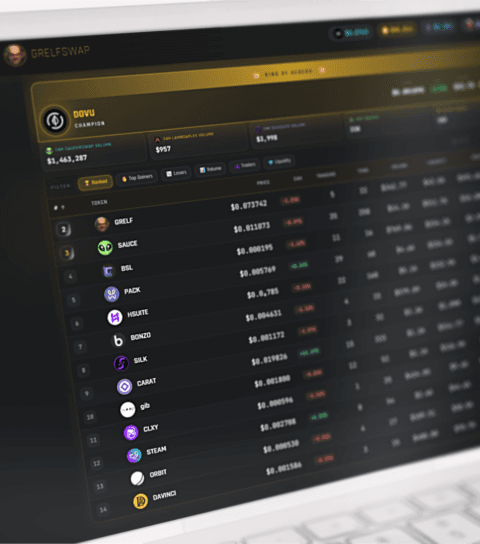
SilkSuite is a non-custodial DeFi suite built natively on Hedera, combining HSuite's DEX and SilkSwap. Its exchange, SilkDex, runs deep native liquidity across the SILK token and around 120 Hedera pool assets, with zero slippage.
Every trade settles atomically on Hedera's native ledger, priced by independent smart nodes and signed locally, so keys and tokens never leave your control. SilkSuite also offers a launchpad, liquidity rewards, and analytics.
The Challenge
SilkSuite has deep Hedera-native liquidity and one hard problem: getting it off Hedera without building bridges or ever taking custody of user funds.
Hedera-native liquidity is stuck on Hedera.
Building and operating bridges is complex, risky, and means taking custody, which undermines a self-custody product.
Most Hedera accounts use ED25519 keys, not ECDSA, so standard cross-chain tooling excludes them.
The Solution
SilkSuite uses SODAX as its cross-chain settlement layer, plugging SilkDex's own liquidity into a self-custody interface.
Any SilkDex Asset, Cross-Chain in One Flow
Through the s0xchange desk, a user can take any SilkDex pool asset cross-chain in a single flow, swapped into a bridge asset on Hedera. It is self-custody, with no bridge-and-wait and funds never held by SilkSuite.
Two-Way Reach into Hedera
The flow also works in reverse, bringing external assets into Hedera and directly into SilkDex's pools, so liquidity can move both onto and off of Hedera.
Native Hedera Wallet Support
SilkSuite implemented a custom wallet provider that takes SODAX's raw call data and submits it through Hedera's native transaction API. So every Hedera account can use SODAX, ED25519 keys included.
Cross-Chain Earn and Best Execution
SilkSuite surfaces SODAX's money market for its Earn feature, and on the Ultra desk SODAX runs as one of several routers raced for best execution.
The Results
From Hedera-Native to Cross-Chain
SilkDex's liquidity can now leave Hedera and reach any supported chain without a single bridge to operate.
Every Hedera Account Included
Routing calls through Hedera's native API brings the ED25519 majority into cross-chain DeFi.
Wider Reach, Better Execution
Raced for best execution on Ultra, with its money market powering Earn.
SODAX Integration
Foundation Layer
@sodax/sdk
Client-side swaps, bridge, and moneyMarket modules, paired with a custom Hedera wallet provider.
Integrated through the SDK, using the functional modules: swaps for quoting and the intent-based swap flow (getQuote, then createIntent and stepwise execution), bridge for bridgeability and capacity checks, and money market for Earn. The most notable piece is a custom IEvmWalletProvider for Hedera that submits SODAX's call data through Hedera's native API, so ED25519 accounts can use SODAX.
Feedback
"SODAX gave us self-custody cross-chain settlement with no bridge-and-wait, plugging SilkDex's own liquidity straight into it, even wiring up native Hedera accounts that cannot sign EVM transactions."
Chief Technology Officer, SilkSuite