






For DEXs, DEX aggregators, and solver marketplaces that want to offer cross-network asset exposure without building bridges or managing per-network liquidity.

For DEXs on a single network that want to offer cross-network swaps and onboard capital from any chain, so users can bring assets in, trade, and move out without leaving the app.

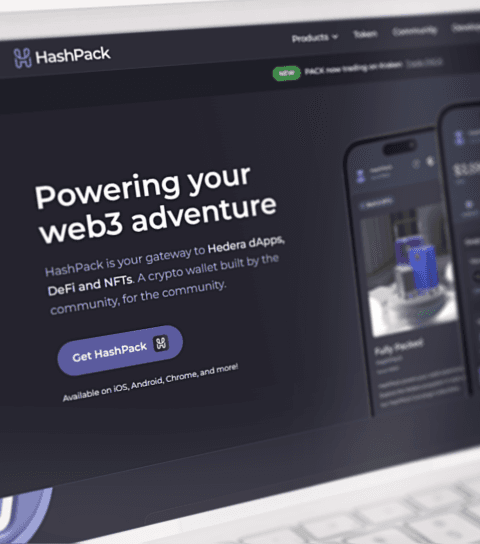
For wallets that want to bring new asset classes like RWAs to their users, purchasable with the assets they already hold.

For derivatives DEXs that want to offer cross-network asset exposure without building bridges or managing per-network liquidity.

For non-custodial wallets that want to add cross-network trades and real-world spending without managing bridges, liquidity, or custom integrations.

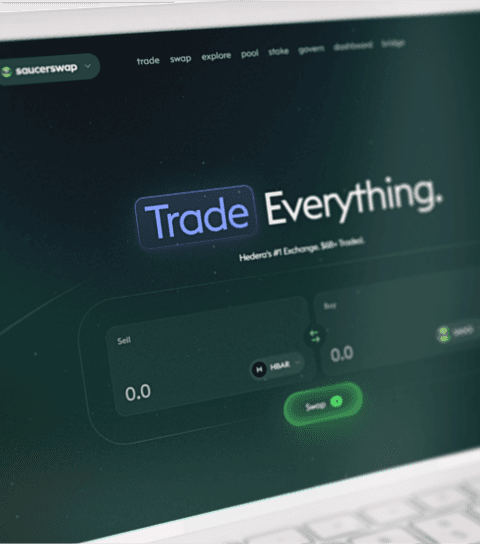
For Hedera apps that want to offer tokenized assets, paid in HBAR or USDC and delivered to the user's own account, with no inventory or order book to run.

For RWA platforms that want investors to buy real estate bonds from any asset on any integrated network, with deposits settled in USDC in a single flow.

For DEXs on Solana that want users from other chains to onboard in one flow, bridge their assets, and land ready to trade without any contract changes.

For lending protocols on non-EVM chains that want users to deposit from any supported network, with funds flowing cross-chain into a single market in one step.

For payment platforms that want users to pay with any crypto on any of the 22+ supported networks, with the best route picked for each transaction on speed, cost, and reliability.

For e-commerce marketplaces that want buyers to pay from any integrated network with assets they already hold, keeping bridging out of checkout and the infrastructure out of sight.

For Hedera-native protocols that want to take their liquidity cross-chain in one self-custody flow, with no bridges to build and no custody to hold.

For yield vaults that want depositors to fund from any chain, routing stablecoins into a single settlement contract without manual bridging.

For wallets that want to add cross-network swaps: quotes, user-signed swaps, and status handling across chains through a single API.

For RWA vaults and protocols that want depositors to fund with any asset from any integrated chain, routed to the asset of choice, and deposited in a single step.

For DEXs and aggregators that want to list assets whose liquidity sits on other networks, without building a bridge, bootstrapping a pool, or changing how their existing routing works.

For apps on non-EVM networks that want EVM users to onboard with the wallet they already have, controlling a native smart wallet without ever leaving MetaMask.

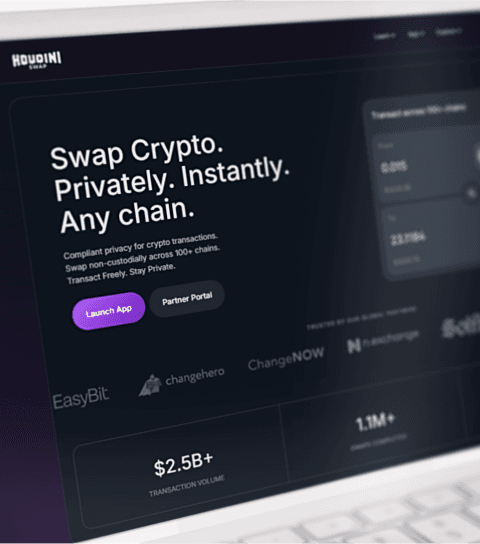
For privacy-first DeFi platforms that want to offer users cross-chain swaps and liquidity access across 20+ networks from a single interface, without building routing infrastructure.

For liquidity marketplaces and aggregators that want intent-based execution and cross-chain liquidity, all through a single integration.

For trading apps that want cross-network onboarding to feel invisible, letting users bring funds in from any integrated network, trade, and move funds back out without a complicated bridging flow.

For DeFi platforms that want to give users access to cross-network stablecoin liquidity without building bridges, routing logic, or new infrastructure.

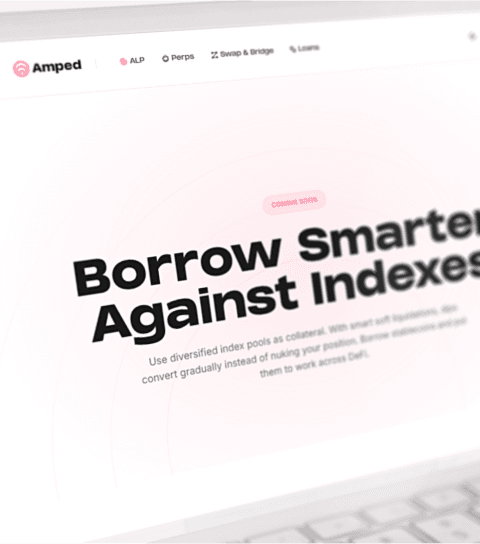
For cross-chain DeFi apps that want to offer intent-based trades, native stablecoin integration, and the ability to lend and borrow across chains.

For Bitcoin-native applications that want to give BTC holders trading and money-market lending across 18+ networks, self-custodied from entry to settlement, with no wrapping and no centralized exchange in the middle.
For trading apps that want cross-network onboarding to feel invisible, letting users bring funds in from any integrated network, trade, and move funds back out without a complicated bridging flow.
Lexur is a social execution and liquidity layer for Solana perpetuals, aggregating venues like Phoenix and Jupiter Perps in one interface for better fills and lower slippage, plus profiles and copy trading.
Lexur uses SODAX to onboard cross-network capital, a barrier every app that lives on a single network faces.
Bridging is complex and risky. Multi-step bridge flows confuse users and create drop-off before they ever place a trade.
Getting funds out is just as painful. Withdrawing back to other chains adds friction at exactly the moment users want a clean exit.
For a trading app, every extra step in onboarding is a point of abandonment. A complicated swap and bridging flow stands between new users and their first trade, and between active traders and a frictionless exit.
Lexur integrated SODAX so users can deposit from other integrated chains directly into Solana, and withdraw back out to other integrated chains.
Users deposit from other integrated chains directly into Solana inside Lexur, with the cross-chain movement handled in the background. When users are ready to exit, they withdraw back to other chains directly from Lexur.
Deposit, trade, and withdraw all happen inside Lexur's interface. Embedded wallet flows keep the experience clean end to end.
By integrating the SODAX SDK, Lexur turns cross-chain onboarding into an embedded feature rather than a barrier.
Lexur launches able to onboard capital from other chains directly into Solana, removing the manual bridging step that would otherwise sit between new users and their first trade.
Users can deposit in and withdraw back out across chains from inside the app, making the full lifecycle of capital feel native to Lexur.
With invisible cross-chain onboarding layered onto its social execution and liquidity layer, Lexur can deliver a mobile-first experience.
"SODAX lets us make cross-chain onboarding invisible. Users bring funds in, trade perps on Solana, and move funds out, without ever dealing with a complicated bridging flow."
One API for cross-network execution and liquidity. Start free with your own API key.